Combining radical French styling with a rapid shift toward pure electrification, Peugeot has established itself as one of Europe’s most ambitious manufacturers in the electric vehicle market.
Read full Peugeot EV strategy guide
Platform & EV Strategy
Peugeot relies heavily on parent company Stellantis’ platform. Entry-level and older models use the multi-fuel e-CMP and EMP2 platforms, which allow petrol, hybrid, and fully electric powertrains to share a production line. While this approach keeps manufacturing costs lower, it introduces packaging compromises, such as tighter legroom and smaller storage space. However, Peugeot is transitioning to the STLA platform family, debuting on newer models like the e-3008. Designed as a BEV-native architecture, STLA Medium supports larger battery packs up to 98kWh and provides signicantly improved interior space.
Current Lineup & Market Positioning
Peugeot’s electric portfolio is remarkably thorough, spanning almost every core segment:
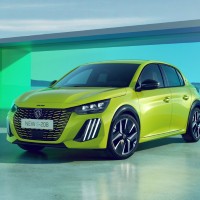
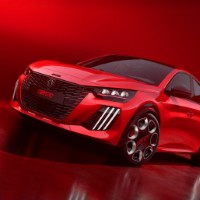
- Urban & Small Hatchbacks: The e-208 offers a stylish, accessible entry point for city drivers, featuring either a 50 or 54 kWh battery delivering up to 248 miles or range.
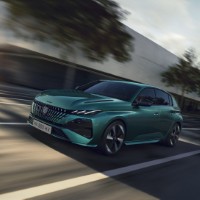
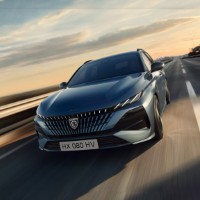
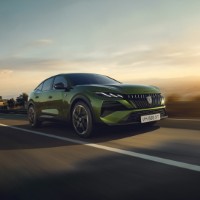
- Family Crossovers & Estate Cars: The e-2008, e-308, and e-308 SW target suburban buyers needing moderate space and everyday usability with ranges up to 270 miles of range. The sleek e-408 adds a distinctive fastback option to the mid-size segment.
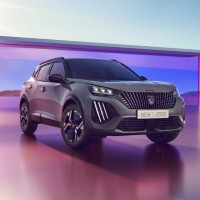
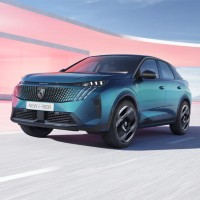
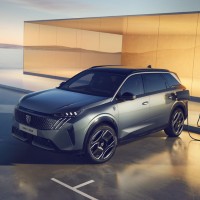
- Executive & Large Family SUVs: The flagship E-3008 and 7-seater E-5008 represent the brand’s push toward the premium boundary, with long-range variants targeting up to 435 miles.
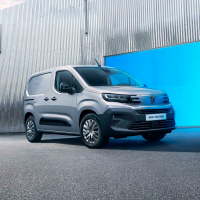
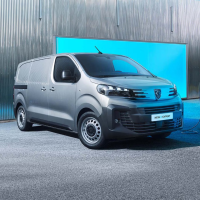
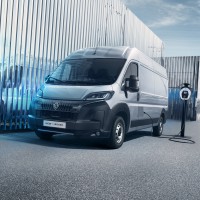
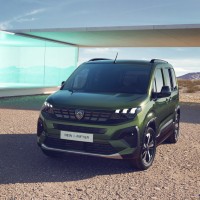
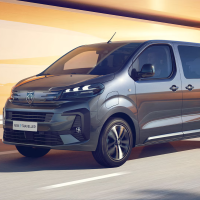
- Commercial Fleets: Commercial operations are covered by the E-Partner, E-Expert, and E-Boxer van lineups, alongside passenger MPV conversions like the E-Rifter.
Real-World Usability & Charging Tech
Real-world energy efficiency across Peugeot's older models is rapidly being left behind. Newer STLA Medium models show much improvement due to their upgraded thermal management and standard-fit heat pumps. Peak DC fast-charging speeds top out at 100 kW on smaller models and 160 kW on the E-3008. While respectable, it lags behind 800V rivals from Hyundai and Kia. Inside, Peugeot’s panoramic i-Cockpit setup features sleek, high-set digital displays and customizable shortcuts. The infotainment software looks sophisticated, though it can still occasionally lag and have unintuitive sub-menus.
Reliability, Warranty & Buyer Outlook
Peugeot models historically face steep initial depreciation, though this makes them excellent value as second-hand buys. On the ownership front, Peugeot addresses long-term battery anxiety with its Allure Care program, which covers the electric motor, onboard charger, and battery for up to 8 years or 100,000 miles guaranteeing 70% health.
Electric Cars:
Electric Vans: