

Audi’s transition into the all-electric market represents a high-stakes balancing act, blending traditional German build quality and brand prestige with cutting-edge electric performance and technology.
Read full Audi EV strategy guide
Platform & EV Strategy
Historically, Audi relied heavily on shared, multi-fuel platforms, adapting existing combustion architectures (like the MLB Evo underpinning the original e-tron SUV) or borrowing Volkswagen’s mass-market MEB modular platform for entry-level models. However, its long-term strategy now pivots on dedicated EV architectures. Co-developed with Porsche, the Premium Platform Electric (PPE) underpins all mid-to-large Audi models. PPE sits on a bespoke 800-volt electrical structure designed to maximize interior space, optimize weight distribution, and support ultra-fast charging speeds. Meanwhile, high-performance halo vehicles like the e-tron GT share the J1 architecture with the Porsche Taycan.
Current Lineup & Market Positioning
Audi addresses a wide spectrum of premium buyers, deliberatly avoiding economy-tier vehicles:
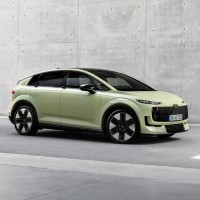
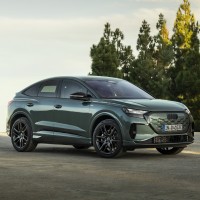
- Compact: The Q4 e-tron serves as the entry point, offering a premium compact crossover aimed at suburban commuters and smaller families.
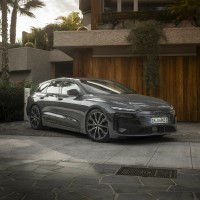
- Executive Saloons: The A6 e-tron family targets company car drivers and long-distance commuters, focusing heavily on aerodynamic efficiency and sleek styling.
- Family SUVs: The Q6 e-tron sits squarely in the core luxury mid-size SUV market, offering high utility, available Quattro all-wheel-drive, and strong towing capabilities.
- Performance Halos: The e-tron GT and flagship RS e-tron GT Performance tackle the ultra-high-performance GT market with output topping out at over 900 hp.
Real-World Usability & Charging Tech
Real-world efficiency across older Audi models was much lower than its competitors due to their high curb weights and boxy profiles. However, newer PPE-based models are much more efficient, pushing range figures past 460 miles on some variants. Where Audi truly excels is charging performance. Models built the 800-volt PPE and J1 platforms support DC fast-charging rates between 270 kW and 320 kW, allowing 10% to 80% recharges in roughly 18 to 21 minutes under optimal conditions. In-car software is centered around the MMI touchscreen system, featuring virtual cockpits and augmented-reality head-up displays. While early iterations suffered from software glitches, recent over-the-air updates have improved the experience.
Reliability, Warranty & Buyer Outlook
Mechanical reliability on Audi’s EVs is solid, though complex electronics and air suspension can become slightly less reliable over time. Standard coverage typically includes a 4-year/50,000-mile vehicle warranty alongside an 8-year/100,000-mile factory warranty on the high-voltage battery. Resale values mirror the broader luxury EV sector: initial depreciation is steep, driven by rapid advancements in battery tech and shifting luxury lease incentives. However, second-hand buyers benefit from heavily discounted entry prices for the high-end German engineering. Overall, Audi stands as a formidable competitor that successfully bridges heritage luxury with modern electrification.
Current Electric Cars:






Concept Electric Cars:


