

Volkswagen is systematically overhauling its core electric lineup to fuse traditional, familiar nameplates with pure electric engineering, rectifying early mistakes in a bid to dominate global EV sales.
Read full Volkswagen EV strategy guide
Platform & EV Strategy
Unlike legacy rivals forcing electric hardware into compromisee multi-fuel architectures, Volkswagen relies entirely on dedicated modular electric platforms. Its core foundation remains the MEB and updated MEB+ platform, which uses a skateboard design featuring a rear-wheel-drive bias, extended wheelbases, and flat battery packaging on the floor. For smaller, entry-level vehicles, Volkswagen uses the front-wheel-drive MEB Entry platform, which optimizes space efficiency and cuts production costs for urban hatchbacks.
Current Lineup & Market Positioning
Volkswagen addresses almost every mainstream vehicle sector:
- Urban Hatchbacks: The entry level is anchored by the ID. Polo and performance-focused ID. Polo GTI, bringing affordable, accessible EV motoring to city drivers.
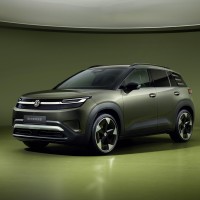
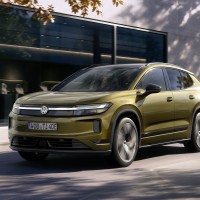
- Compact & Family Cars: The ID. Cross crossover sits alongside the ID.3 Neo hatchback, while the ID. Tiguan serves as the brand's primary mid-size family SUV.
- Executive Fleet: The flagship ID.7 and ID.7 Tourer estate target long-distance corporate drivers and higher-tier buyers with refined luxury and extended cruising range.
- Commercial & MPV: The passenger-focused ID. Buzz and commercial ID. Buzz Cargo deliver utilitarian retro-style van mobility, backed up by dedicated commercial workhorses like the e-Transporter Commerce Shuttle.
Real-World Usability & Charging Tech
Efficiency is a strong point, with efficient drive units helping models to achieve impressive real-world range figures. Charging performance varies by model and battery size, capping out between 135 kW and 175 kW on DC fast chargers. While sufficient for a 10% to 80% charge in around 28 minutes, it trails the ultra-fast sub-20-minute charging seen in rival 800V-based vehicles.
Software was historically Volkswagen's major flaw, but recent updates and a partnership with Rivian have transformed the cabin experience. Infotainment systems now feature proper physical controls, faster processors, responsive touchscreens, and battery pre-conditioning integrated into route planners.
Reliability, Warranty & Buyer Outlook
Volkswagen's build quality has recovered from early manufacturing shortcuts, as early ID models suffered from frustrating software glitches that damaged initial consumer confidence. Battery health coverage aligns with industry standards, offering an 8-year / 100,000-mile warranty guaranteeing at least 70% capacity.
In the used market, rapid initial depreciation has affected earlier ID vehicles, but updated models with fixed ergonomic flaws and stabilized software show much stronger residual value. For buyers seeking a proven EV platform backed by an expansive service network, Volkswagen offers a sensible, practical, and highly complete lineup.
Current Electric Cars:





Electric Vans:


Concept Electric Cars:
