Kia has rapidly transformed from a budget-friendly alternative into a formidable leader in the global electric vehicle market.
Read full EV strategy guide
Platform & EV Strategy
At the core of Kia's electric push is Hyundai Motor Group’s Electric-Global Modular Platform. Kia intentionally ignores compromised multi-fuel platforms for its EV lineup, opting instead for a dedicated EV architecture. The range is divided by electrical systems: mid-to-large models like the EV6 and EV9 leverage an 800V architecture for ultra-fast charging, while smaller models like the EV2, EV3, EV4, and EV5 utilise a cost-effective 400V setup to keep entry prices competitive while maintaining impressive thermal efficiency. For commercial applications, the purpose-built vehicle platform underpinning the PV5 series introduces modular flexibility designed explicitly for logistics and transport.
Current Lineup & Market Positioning
Kia’s portfolio addresses almost every market segment:
- Entry-Level & Urban: The compact EV2 hatchback and EV3 crossover democratize the brand’s technology, bringing usable range to price-conscious buyers.
- Executive & Saloons: The EV4, EV4 Fastback, and EV6 all target traditional corporate fleet and executive markets with streamlined aerodynamics.
- Family SUVs: The mid-sized EV5 and expansive, three-row EV9 flagship cover family needs, combining boxy utility with high-end cabins.
- Performance: The dual-motor flagship EV6 GT and EV9 GT deliver supercar-rivaling acceleration and track-tuned chassis.
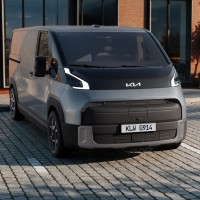
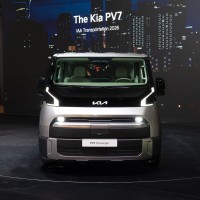
- Commercial Fleets: The PV5 Passenger and Cargo mark Kia's entry into electric light commercial vehicles, providing flexible cab configurations for modern urban logistics and transport. The PV7 Passenger and Cargo extend Kia's reach into the electric commerical market.
Real-World Usability & Charging Tech
Real-world efficiency across the lineup is exceptional, with mainstream models like the EV3 often achieving real-world figures close to 4 mi/kWh thanks to the heat pump and clever aerodynamics. Charging remains a standout strength. The 800V models can replenish from 10% to 80% in as little as 18 minutes under optimal conditions on a 350kW charger, while 400V models hit the same standard benchmark in roughly 30 minutes. Software is centered around a sleek triple-screen panoramic display running Kia Connect, featuring crisp responsive menus, intuitive Vehicle-to-Load bidirectional charging, and reliable over-the-air updates.
Reliability, Warranty & Buyer Outlook
Kia’s standout 7-year/100,000-mile warranty, which fully encompasses the high-voltage battery pack, provides industry-leading peace of mind for first and secondary owners alike. Battery degradation across early E-GMP models has proven minimal, boosted by effective active liquid cooling. While heavy initial depreciation remains an industry-wide challenge for electric vehicles, Kia’s dedicated EV models hold their residual value significantly better than converted ICE-platform rivals, supported by high consumer demand and a reputational shift toward premium usability.
Electric Cars:


Electric Vans: