Citroën has boldly reinvented itself as the champion of accessible zero-emission mobility, delivering radically affordable, comfort-focused electric vehicles that directly tackle high EV entry costs.
Read full Citroën EV strategy guide
Platform & EV Strategy
Citroën relies on flexible, cost-optimised multi-fuel architectures rather than bespoke ground-up EV platforms. Lower-tier models like the ë-C3 and ë-C3 Aircross sit on Stellantis’s BEV-native Smart Car platform, a simplified variant of the Common Modular Platform, designed to reduce manufacturing complexity and keep prices low. Larger models like the ë-C4 and ë-C5 Aircross rely on the multi-energy e-CMP setup. While this shared base sacrifices some interior packaging compared to dedicated EV setups, it allows Citroën to offer electric powertrains without passing high development costs to consumers.
Current Lineup & Market Positioning
Citroën targets budget-conscious buyers and practical families rather than the premium segment.
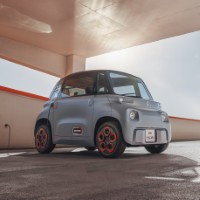
- Micro-Mobility & Urban: The ultra-compact Ami heavy-quadricycle sits at the absolute bottom tier for hyper-local urban transit with a range of 46 miles and a top speed of just 28mph.
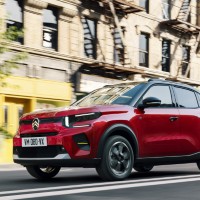
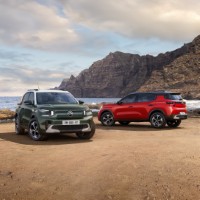
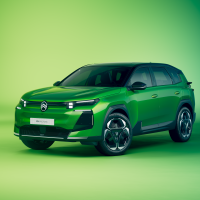
- Superminis & Compact Crossovers: The ë-C3 serves as a sub-£20,000 breakthrough for urban commuters, complemented by the ë-C3 Aircross, which brings affordable family practicality and flexible seating options.
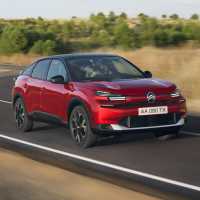
- Family Hatchbacks & Fastbacks: The ë-C4 crossover and ë-C5 Aircross address the mid-tier compact and family SUV market, prioritising sharp styling and plush ride quality over aggressive performance.
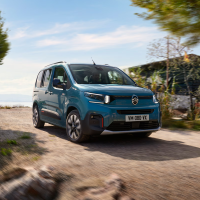
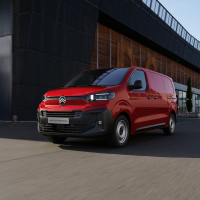
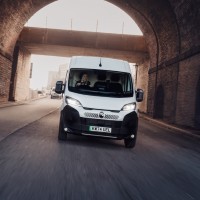
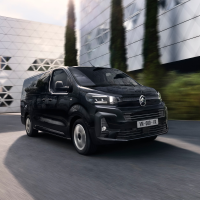
- Fleet: Practicality-led options like the ë-Berlingo and passenger-focused ë-SpaceTourer cater to multi-person transport, commercial fleets, and van-derived utility.
Real-World Usability & Charging Tech
Citroën prioritises softness and ease over high-performance specs. Equipped with Progressive Hydraulic Cushions and Advanced Comfort seating, the cars deliver an exceptionally compliant ride that absorbs rough road surfaces effortlessly. Some say its like driving on pillows! Efficiency is modest yet respectable; the ë-C3 uses a cost-conscious 44kWh LFP battery pack providing around 199 miles of range, while ë-C4 variants use 50kWh and 54kWh packs for up to 260 miles.
DC rapid charging tops out at a respectable 100kW for all models except the ë-C5 Aircross, allowing a 20% to 80% charge in approximately 26 to 30 minutes. Software is intentionally minimalist: entry models feature smartphone-dock setups or basic central touchscreens with Apple CarPlay and Android Auto rather than overly complex digital ecosystems. However, the newer and more up-market ë-C5 Aircross is centered around a 13-inch HD Waterfall display as part of its C-Zen Lounge layout.
Reliability, Warranty & Buyer Outlook
Citroën offers a standard 3-year manufacturer warranty alongside the industry-standard 8-year/100,000-mile battery coverage for 70% capacity health. Mechanical simplicity works in Citroën’s favour for long-term ownership, particularly with the introduction of cobalt-free LFP batteries in its entry models, which tolerate frequent 100% charging cycles better than NMC alternatives.
However, steeper initial depreciation still happens compared to premium alternatives, as budget EVs face sharp resale competition in the used market. Nevertheless, for buyers seeking no-frills, plush, and genuinely affordable zero-emission transport, Citroën presents one of the most compelling value propositions in the current European automotive landscape.
Electric Cars:
Electric Vans: