BYD is a dominant global powerhouse that has transformed from a battery manufacturer into a vertical-integrated titan, reshaping the electric vehicle sector through aggressive pricing, rapid innovation, and in-house manufacturing.
Read full BYD EV strategy guide
Platform & EV Strategy
Rather than modifying internal combustion engine platforms, BYD builds its electric lineup on dedicated EV architectures. The core of its strategy centers around their e-Platform 3.0, which incorporates cobalt-free LFP Blade Battery technology into the vehicle structure. Using this Cell-to-Body design, the battery pack acts as a structural component of the chassis which delivers remarkable rigidity, optimizes interior cabin packaging, and provides exceptional passive safety and thermal stability compared to conventional multi-fuel platforms.
Current Lineup & Market Positioning
BYD covers nearly every consumer tier, putting heavy pressure to legacy automakers.
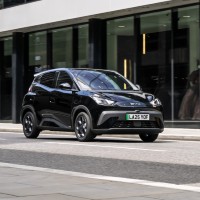
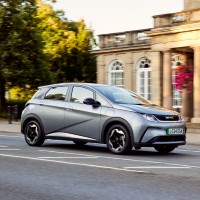
- Entry-Level & Urban: The budget-focused Dolphin Surf and the standard Dolphin hatchback address urban commuters needing lower upfront costs without sacrificing modern amenities.
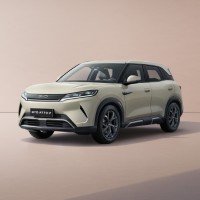
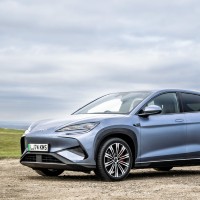
- Family Crossovers: The Atto 3 Evo family crossover offers high levels of standard equipment and quirky interior styling at a competitive price point, sitting above urban hatchbacks.
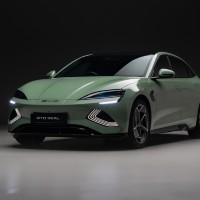
- Executive & Performance: The Seal saloon directly challenges premium rivals like the Tesla Model 3 with upscale interior trims, rapid acceleration, and sleeker styling.
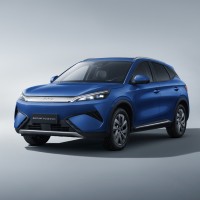
- Large SUVs: The flagship Sealion 7 targets the upper-tier family market with generous space, dual-motor all-wheel-drive configurations, and long-distance comfort.
Real-World Usability & Charging Tech
Real-world usability is strong, supported by efficient heat pumps that preserve winter range. Rapid-charging performance was historically modest on earlier models, but newer platforms feature higher voltage systems that deliver peak DC fast-charging rates upwards of 150 kW to 230 kW, allowing 10% to 80% charges in 25 to 30 minutes. Inside, the software experience revolves around rotating central infotainment screens running BYD OS. While hardware responsiveness is slick, software calibration remains an area needing refinement.
Reliability, Warranty & Buyer Outlook
BYD’s vertical integration gives it strict control over almost all of its components, especially its Blade Batteries, which are more durable and resistant to thermal degradation than NMC packs. Confidence in longevity is backed by a robust 8-year or 155,000-mile battery warranty guaranteeing 70% capacity retention, alongside strong overall vehicle warranties.
Initial depreciation on BYD models can be steeper than established Western premium badges. However, as brand recognition solidifies and the reliability record of LFP battery tech proves itself over high-mileage ownership, resale values are expected to stabilize across mainstream consumer segments.
Current Electric Cars: