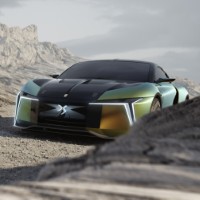
As the luxury brand in the Stellantis group, DS Automobiles positions itself as an avant-garde Parisian luxury brand in the electric vehicle sector, attempting to challenge established premium rivals through bespoke craftsmanship and distinct design.
Read full DS EV strategy guide
Platform & EV Strategy
DS Automobiles is transitioning from legacy multi-energy architectures to dedicated electric structures as part of Stellantis’s broader electrification plan. Early offerings like the DS 3 E-Tense relied on the CMP/e-CMP shared multi-fuel platform, resulting in packaging compromises and reduced efficiency. However, newer additions such as the N°4 E-Tense and flagship N°8 utilize the group's modular STLA Medium architecture. This platform allows for scalable battery packs, dedicated EV packaging, and improved thermal efficiency, giving DS a more competitive foundation against purpose-built electric rivals.
Current Lineup & Market Positioning
The brand’s all-electric portfolio addresses compact and premium executive segments, intentionally bypassing lower-budget tiers to keep their more up-market feel.
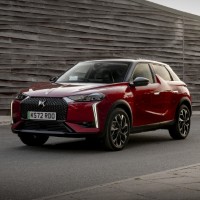
- Urban & Compact Crossovers: The DS 3 E-Tense serves as the entry point. It targets style-conscious city drivers, though its small cabin limits proper practicality.
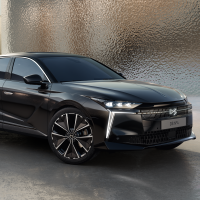
- Premium Hatchbacks: The DS N°4 E-Tense sits in the mid-size premium hatchback class, offering high-end material quality to take on executive hatchbacks.
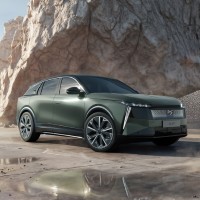
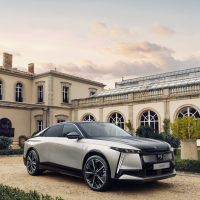
- Executive Fastbacks & SUVs: At the top of the lineup, the DS N°7 E-Tense and N°8 acts as the flagship SUV and coupe-crossover, aiming at executive long-distance buyers with higher battery capacity options.
Real-World Usability & Charging Tech
Real-world efficiency across the DS range is respectable, with smaller models yielding around 3.5 to 3.8 mi/kWh in mixed driving, while the STLA Medium-based DS 8 achieves up to 4.4 mi/kWh under optimal conditions.
Charging performance spans two distinct generations: older e-CMP models peak at 100 kW DC fast charging, requiring roughly 30 minutes for a 10–80% top-up. Newer STLA Medium models increase peak charging rates at 160 kW.
Inside, the DS IRIS infotainment system features a clean 16-inch touch display, over-the-air updates, and wireless smartphone integration. While visually striking with luxurious leather and guilloché metal finishes, the heavy reliance on touch controls can compromise usability compared to physical switchgear.
Reliability, Warranty & Buyer Outlook
Long-term ownership prospects present a mixed picture. DS provides an 8-year or 100,000-mile battery warranty guaranteeing 70% capacity, matching industry standards. However, historical reliability for the brand’s software remains average compared to Japanese or Korean competitors.
In terms of resale value, DS vehicles face steep initial depreciation. The niche brand identity and strong competition from German luxury manufacturers mean second-hand values soften quickly, making used examples attractive bargains, but exposing initial buyers to higher overall cost of ownership if purchased outright.
Current Electric Cars:
Concept Electric Cars: